A Comprehensive Guide to Buying Salvage Auto Parts
Buying salvage auto parts is an economically savvy choice for vehicle owners looking to save money while contributing to environmental conservation. With numerous options available at auto junkyards, from engines to decorative elements, understanding how to navigate local salvage yards near you can lead to significant cost savings. This guide aims to equip you with knowledge about purchasing from auto scrap yards effectively.
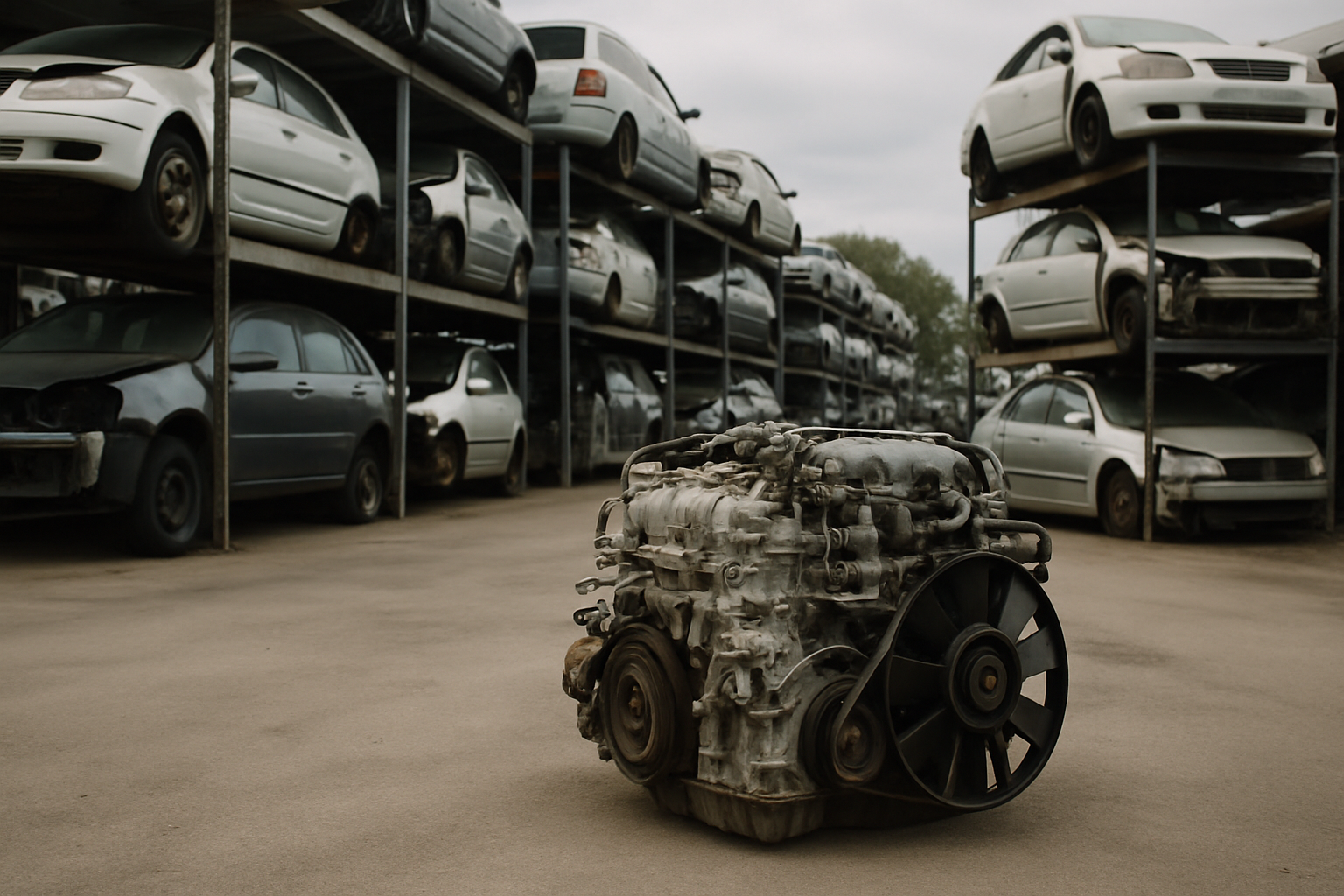
The Benefits of Opting for Salvage Auto Parts
Salvage auto parts offer several compelling advantages compared to buying new. For starters, they are significantly cheaper, which is a major benefit for anyone working within a tight budget. Considering that new car parts can carry high price tags due to manufacturing and shipping costs, opting for components from an automobile junk yard turns out to be a practical solution. Moreover, by purchasing salvage parts, not only do you save money, but you also contribute to reducing waste, since reusing existing parts helps minimize the need for new manufacturing processes.
Furthermore, the variety available in auto salvage yards is often surprising. Whether you’re looking for rare parts for a vintage vehicle or a replacement part for a common model, there’s a good chance you’ll find what you need. This kind of accessibility transforms junkyards into treasure troves for car enthusiasts and repairers alike, offering you a realm of possibilities right at your fingertips.
Locating Reliable Local Salvage Yards
Finding a trustworthy auto yard near you requires some investigation. Start by conducting thorough research online, where directories and review sites can help you identify the best auto junkyards around your area. Look for yards with good reviews, comprehensive inventories, and helpful customer service. Many times, these attributes can be gleaned from customer feedback and ratings.
Additionally, you might want to explore specialized yards. If you’re restoring a classic car, for example, you might benefit from visiting a yard that focuses exclusively on vintage vehicles. Such specificity can significantly enhance your success rate in finding the exact parts you need.
Don’t overlook networking as a tool, too. Car clubs and forums often provide advice and recommendations for local salvage yards. Connecting with fellow enthusiasts can lead you to hidden gems not widely advertised online.
Navigating an Auto Scrap Yard Visit
Preparation is key when planning a visit to an auto scrap yard. First, ensure you have all the tools you might need to remove parts autonomously, as many yards follow a self-service model. This typically includes basic hand tools like wrenches and screwdrivers, but you might also need more specific implements depending on the component you plan to acquire.
It is also wise to dress appropriately. Durable clothing and sturdy footwear are recommended due to the rugged conditions often found in salvage yards. Additionally, gloves and safety goggles can protect you from unexpected hazards.
Once at the yard, efficiency is enhanced by knowing exactly what you’re looking for. Create a checklist of parts required and carry it with you. This helps you stay focused and ensures you’re gathering the right components. To avoid compatibility issues, verify part numbers against your existing vehicle’s specifications. If you’re unsure, it’s prudent to consult with a mechanic or use online databases to cross-check part compatibility.
Evaluating and Purchasing Parts
When scrutinizing parts in auto recycling yards near me, meticulous inspection is paramount. Even if a part visually appears to be in good condition, it’s essential to check for hidden damage. Look for cracks, rust, or any signs of excessive wear. For electronic parts like sensors, note any burnt scent or discoloration, which can indicate previous failures.
Don’t hesitate to ask the yard staff about the history of a part when possible. Knowledge of a component’s past usage can provide insight into its reliability and lifespan. Additionally, understanding the yard’s policies on returns or exchanges is crucial, should you encounter issues after installation.
When finalizing purchases, confirm all fees and taxes to avoid surprises during checkout. Some yards might charge for core returns or require deposits, which can affect final costs. Always retain your receipt, as this will be necessary for any potential returns.
Conclusion
Ultimately, sourcing parts from junk yards for cars near me is not only cost-effective but also promotes sustainable practices by extending the lifecycle of used components. By approaching the process with the right knowledge and preparation, you can find high-quality parts and contribute to a more sustainable industry. The key is doing your research and maintaining a decisive game plan when visiting these yards.