How to Shop Smart at a Used Car Parts Store
Shopping smart at a used car parts store offers unparalleled advantages for the savvy automobile enthusiast or the everyday car owner. Delving into auto recycling yards can open a world of affordably priced components, whether you need a rare part for your vintage model or a quick fix for more modern vehicles. This exploration into salvage resources not only helps in securing quality parts at a fraction of the cost but also plays a crucial role in reducing automotive waste, contributing positively to environmental conservation.
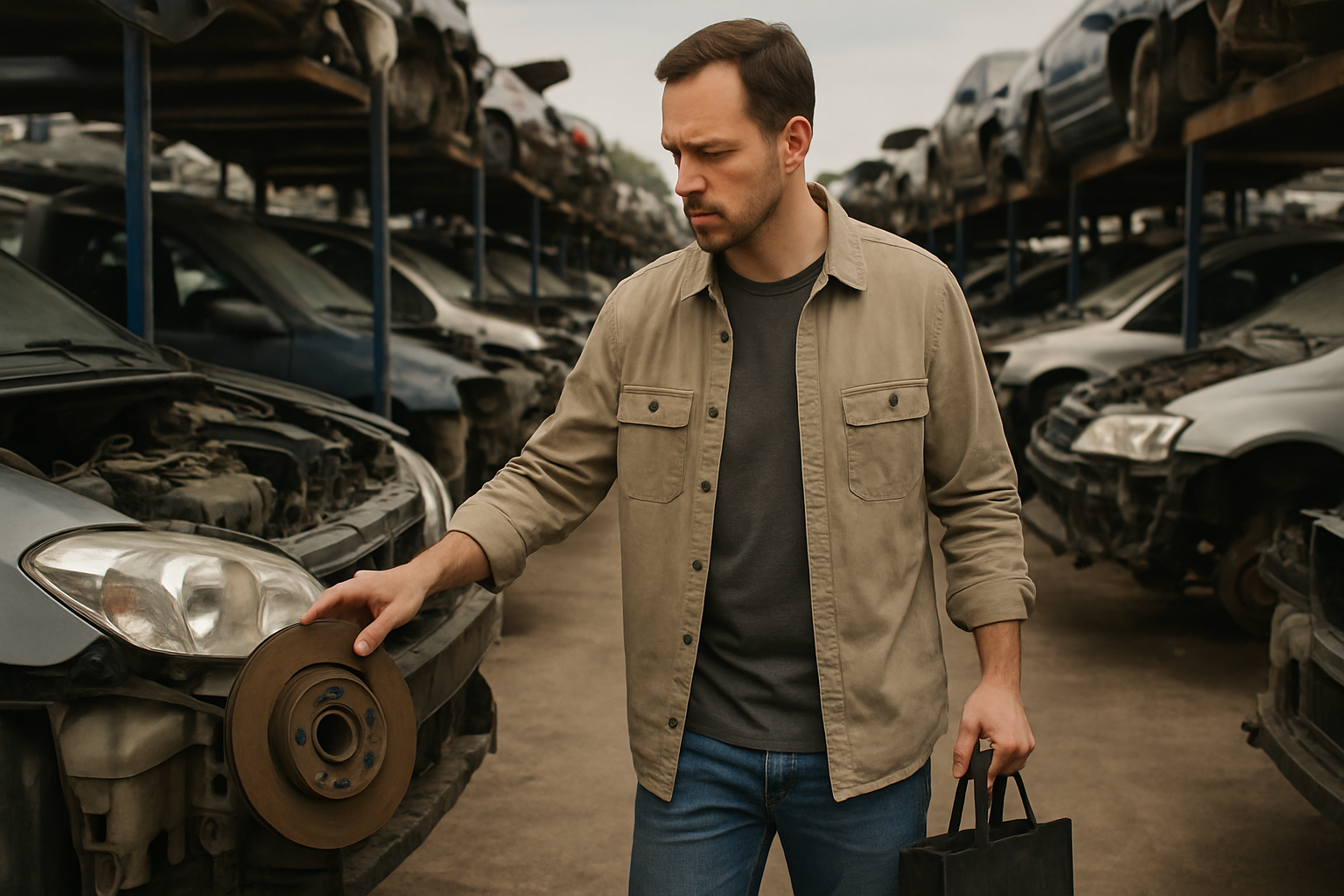
Why Choose Used Car Parts?
Opting for used car parts from auto salvage yards carries multiple layers of benefits. The primary motivation for most is a significant cost-saving, as used parts can often be purchased for a fraction of the cost of new ones. This makes it feasible for car owners to maintain their vehicles regularly without putting a strain on their finances. Moreover, many automobile enthusiasts enjoy the hunt for rare and unique parts, often finding what they need at these facilities. Be it a discontinued side mirror, a rare engine model, or vintage trims, auto junk yards offer treasures waiting to be discovered.
Apart from economic advantages, buying used parts is an environmentally conscious choice. Each old part you reuse is one less piece that ends in a landfill. Salvage yards minimize waste and maximize usage of materials already in the production cycle, effectively supporting sustainability. Moreover, many yards follow responsible recycling practices, ensuring fluids and non-reusable materials are properly disposed of, making them a greener solution for sourcing car essentials.
Advantages of Auto Recycling Yards
- Cost Efficiency: Buying used parts from these yards can cut costs by up to 80% compared to purchasing new parts from dealers.
- Availability: Local salvage yards often have a wide range of inventory, including rare finds that are no longer manufactured. Enthusiasts and restorers often frequent these yards for hard-to-source components.
- Environmental Impact: Reducing the need for new parts decreases the demand for new manufacturing, which, in turn, reduces the carbon footprint associated with production and shipping.
- Learning Experience: For many, visiting a car wrecking yard is an opportunity to learn more about vehicle mechanics and the intricate details of automotive components.
Choosing to frequent these yards turns a simple task into a rewarding experience both financially and personally.
Finding the Best Auto Salvage Yards
With the advent of technology, locating suitable auto salvage yards has never been easier. A quick online search can yield a plethora of results, allowing you to browse through auto salvage places that cater to specific brands or vehicle models. Many yards today have user-friendly websites listing current inventory, saving you time and efforts. By reviewing these resources, you can decide whether a visit is worthwhile based on your particular needs.
For those seeking detailed information, forums and communities dedicated to car maintenance or restoration can be immensely helpful. Experienced members often share recommendations for trusted salvage yards and offer first-hand advice on the quality of parts available, reputation, and service provided at various locations.
Moreover, proximity often plays a role in your choice. It’s beneficial to start with auto salvage yards in your area, as local visits save on travel costs and provide immediate access to parts. If you’re willing to travel further, ensure the potential savings on parts outweighs the cost of travel. Also, many yards offer parts shipping services, allowing you to purchase from afar without leaving home.
Tips for First-Time Visitors
- Research is Key: Thoroughly research the part you need, including its specifications and current market price. Knowing this information helps you verify the part’s compatibility with your vehicle and ensures you obtain a fair deal.
- Bring Your Tools: While some yards may offer tool rentals, it’s advisable to bring your own to avoid additional charges. Basic tools like wrenches, screwdrivers, and pliers will often suffice.
- Understand the Policies: Each yard operates under different rules, so familiarize yourself with their hours, payment options, and return policies to avoid surprises.
- Inspect Thoroughly Before Buying: Always check for rust, cracks, or other forms of damage. If you’re unsure about the part’s condition, ask for assistance or a second opinion from a friend with mechanical knowledge.
- Timing Your Visit: Visit during weekdays to avoid crowds and increase your chances of finding popular items before stock is depleted.
Making the Most of Your Visit
Arranging your visit strategically can significantly enhance your experience. Arriving early in the morning often means a better selection and cleaner working conditions before crowds arrive. Consider making a checklist of all the parts you aim to find, including their alternative names or serial numbers, if applicable. This preparedness saves time once you’re inside the yard.
Engage with the staff upon arrival for insights or suggestions. With experience, they know their inventory well and can often offer practical advice or alert you to recent arrivals that may not yet be documented online. Furthermore, maintaining a cordial relationship with the staff could lead to tips about anticipated arrivals or interesting finds.
If feasible, bring someone along who has experience in identifying and retrieving car parts. A second set of hands can assist with tools and provide another perspective when determining the value and condition of a component.
The Importance of Preparation
Preparing before leaving for the yard cannot be overstated. First, review reviews and forums for any notable feedback about specific yards, particularly concerning pricing fairness or notorious practices. Bringing along basic safety gear—a task not to be overlooked—ensures personal protection, as salvage yards can have uneven terrains, sharp objects, and other hazards. Items such as gloves, durable shoes, and protective eyewear are strongly advised.
Organizing your tools in a way that maximizes efficiency is beneficial. Carrying a tool bag and ensuring batteries for power tools are fully charged means you are ready for any extraction task. Part knowledge extends beyond just your car model; it’s insightful to know cross-compatibility options—when parts from different models or brands fit each other—which can increase your selection and options.
Safety and Etiquette
- Observe Yard Rules: Respect the operational guidelines set by the yard. These include designated areas for cars not to be touched, safety zones, and proper disposal of any waste created while extracting parts.
- Mindful Navigation: Be cautious of hefty or precariously stacked items, especially with heavy machinery often in operation nearby. Sticking to marked paths enhances safety for you and others.
- Polite Interaction: Courteous exchanges with staff can cultivate goodwill; if you do encounter any issues, remain calm and address concerns constructively.
- Environmentally Conscious Disposal: If you remove any damaged components from parts, dispose of them in designated receptacles to maintain yard cleanliness and safety.
A respectful approach not only ensures personal safety but also maintains the shared resource as a viable option for future visits.
Taking Home Your Treasure
After securing your prized component, follow through with any applicable warranties offered by the yard, as these might provide added peace of mind should issues arise post-installation. Don’t hesitate to inquire about additional costs related to warranties or return policies.
Testing compatibility as soon as feasible confirms the transaction’s success. Properly labeling and storing parts until you’re ready for installation keeps them protected. For those with niche vehicles, engaging in online communities can also provide forums where to share your finds, potentially assisting others on similar quests.
Exploring vehicle salvage yards presents an opportunity not just to acquire parts but also to participate actively in a process that preserves both history and material sustainability. Each visit reinforces the value of reusing and recycling, benefiting both your wallet and the planet.