Understanding Parking Fines: How They Work and How to Avoid Them
Parking fines are common annoyances that many drivers encounter, often bringing frustration and confusion. These fines, generally in the form of penalty charge notices or parking charge notices, vary depending on the location and type of infringement. Understanding how these fines work, who issues them, and how they can be contested or avoided is crucial for motorists wanting to navigate the complexities of parking regulations confidently and efficiently.
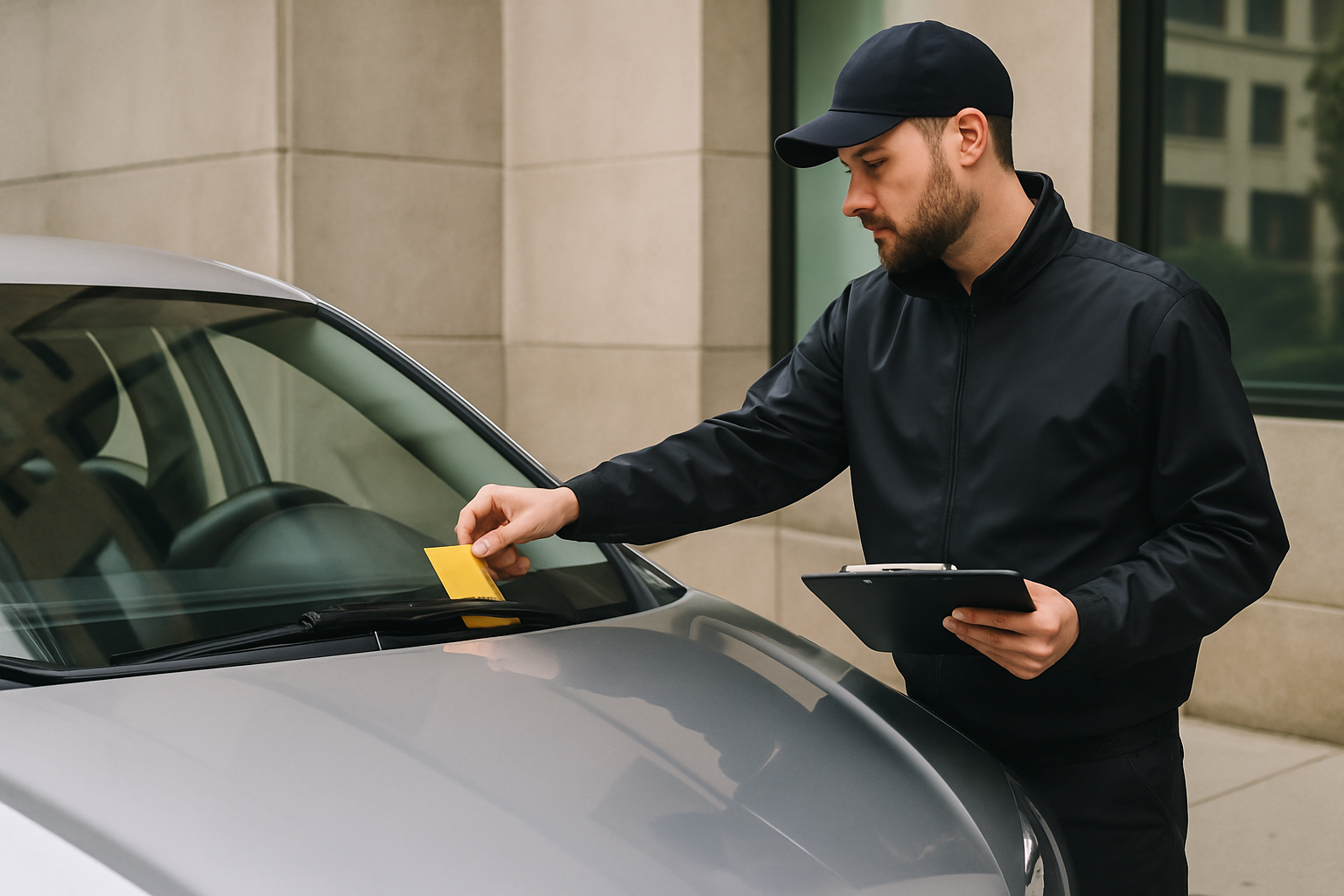
Understanding Different Types of Parking Fines
Parking fines can broadly be classified into two categories: penalty charge notices (PCN) and parking charge notices. While their names are similar, they originate from different sources and have distinct implications for the recipient. Penalty charge notices are typically issued by local authorities for infractions on public roads, such as parking on double yellow lines or exceeding the maximum stay in a controlled parking zone. These fines are enforceable under the Traffic Management Act 2004 and can escalate if ignored.
The Nuances of Parking Charge Notices
On the other hand, parking charge notices are issued by private companies overseeing parking facilities on private lands. Examples include overstaying the purchased parking time in a supermarket car park or parking without a valid permit in a residential area. These are not enforced under criminal law, but rather contract law, meaning the company claims a breach of contract has occurred. Ignoring these can lead to civil proceedings.
The Process of Receiving and Understanding Notices
When you receive a notice, identifying it correctly is the first step. A penalty charge notice will usually have a penalty charge notice number prominently displayed and will include details about the infringement, the amount payable, and the time frame for appealing or paying the fine. On the other hand, a parking charge notice number will outline similar details but will often reference terms agreed to through signage or agreements made when entering the parking area.
Common Circumstances Leading to Fines
The circumstances under which these notices are issued can vary greatly. Common reasons include:
- Overstaying in a paid parking space;
- Parking without displaying the correct permit;
- Stopping in prohibited areas;
- Failure to park within designated bays.
Understanding these scenarios can help in preventing future fines.
Effective Strategies for Appealing Fines
If you believe a notice has been issued unfairly, appealing a parking charge notice or a penalty charge notice may be an option worth pursuing. The process of appealing a PCN often involves submitting written representations to the traffic authority. This must be done within the time limit stated on the notice itself, typically 28 days from the date of issue. Ensure that your appeal is supported by clear, concise evidence, potentially including photos of the location, copies of permits, or third-party statements.
Steps for a Successful Appeal
When appealing, consider the following approach:
- Document the Incident: Take photographs of the situation, signage, and any receipts or permits;
- Gather Witness Statements: If others were present, obtain their accounts;
- Submit a Clear Appeal Letter: Include all evidence and a detailed narrative outlining why the fine is unjust;
- Adhere to Deadlines: Ensure all correspondence is submitted within specified time limits.
For private parking issues, contacting parking ticket solicitors could prove beneficial. These professionals understand the intricacies of contract law pertaining to civil enforcement parking charge notices and can provide advice tailored to your specific case.
Case Study: The G24 Parking Fine
To illustrate, let’s look at a common scenario: the G24 parking fine. G24, a parking management company, often issues fines for violations such as overstaying in privately managed car parks. While most motorists feel obligated to pay these fines immediately, it’s crucial to know you have the right to contest the charges. By carefully reviewing the evidence and terms set forth upon entry, many drivers have successfully had their fines canceled after appealing a penalty charge notice or challenging a G24 fine through the proper channels.
Practical Tips to Avoid Parking Fines
A proactive approach is always the best prevention. Here are several strategies to help minimize the risk of receiving fines:
- Always read parking signs upon arrival to avoid unexpected rules;
- Set reminders on your phone for parking expiry times;
- Use parking apps to find compliant spaces with your requirements;
- Regularly check vehicle permits for expiration dates;
- Park in well-marked bays to prevent disputes over incorrect parking.
These practices not only save money but also prevent the stress associated with dealing with fines.
When to Seek Professional Assistance
Parking fines can sometimes be complex and stressful to handle, especially when you believe they were issued incorrectly. That’s where parking fine solicitors near me can come into play. These experts specialize in examining the fine’s legality, advocating on your behalf, and navigating the nuances of local parking legislation to potentially overturn incorrect fines. Consulting professionals can be particularly beneficial when errors are present or if previous attempts to appeal have been unsuccessful.
Conclusion
Being informed about parking fines and understanding the distinctions between different types can empower drivers to handle these issues effectively. Whether through direct appeals or with the guidance of a solicitor, it’s possible to challenge unjust fines. Ultimately, staying aware and informed is the best defense against unnecessary parking fines, ensuring peace of mind and financial savings in the long run.
Glossary
- Appealing a PCN: The formal process to contest a penalty charge notice legally.
- Civil Enforcement Parking Charge Notice: Notices issued for breaches in areas under civil management, usually involving private parking firms.
- G24 Parking Fine: A specific monetary charge applied by G24 management, often for overstaying or not adhering to private parking terms.
- Parking Ticket Solicitors: Legal professionals who offer advice and representation for parking fine disputes.
- Penalty Charge Notice Number: A unique identifier for a fine issued by local councils or traffic authorities for breaches of parking regulations.
- Parking Charge Notice Number: A reference number for notices issued by private parking enforcement firms indicating a breach of contract.
Disclaimer: The information provided in this article is for educational and informational purposes only. It does not constitute professional advice. Readers should conduct their own research and consult with qualified professionals before making any decisions.