Used Auto Parts Core Exchange Explained: Process, Benefits, and Tips
Exploring the world of used auto parts core exchange reveals a smart, cost-effective strategy for car owners eager to maintain their vehicles without excessive expenses. As the auto industry leans towards sustainability, core exchange programs offered by auto salvage yards play a vital role. These programs not only mitigate environmental impact but also provide an affordable pathway for repairs and upgrades. Whether you’re a car enthusiast or simply looking to save money on repairs, understanding core exchanges can lead to better decisions and greater savings.
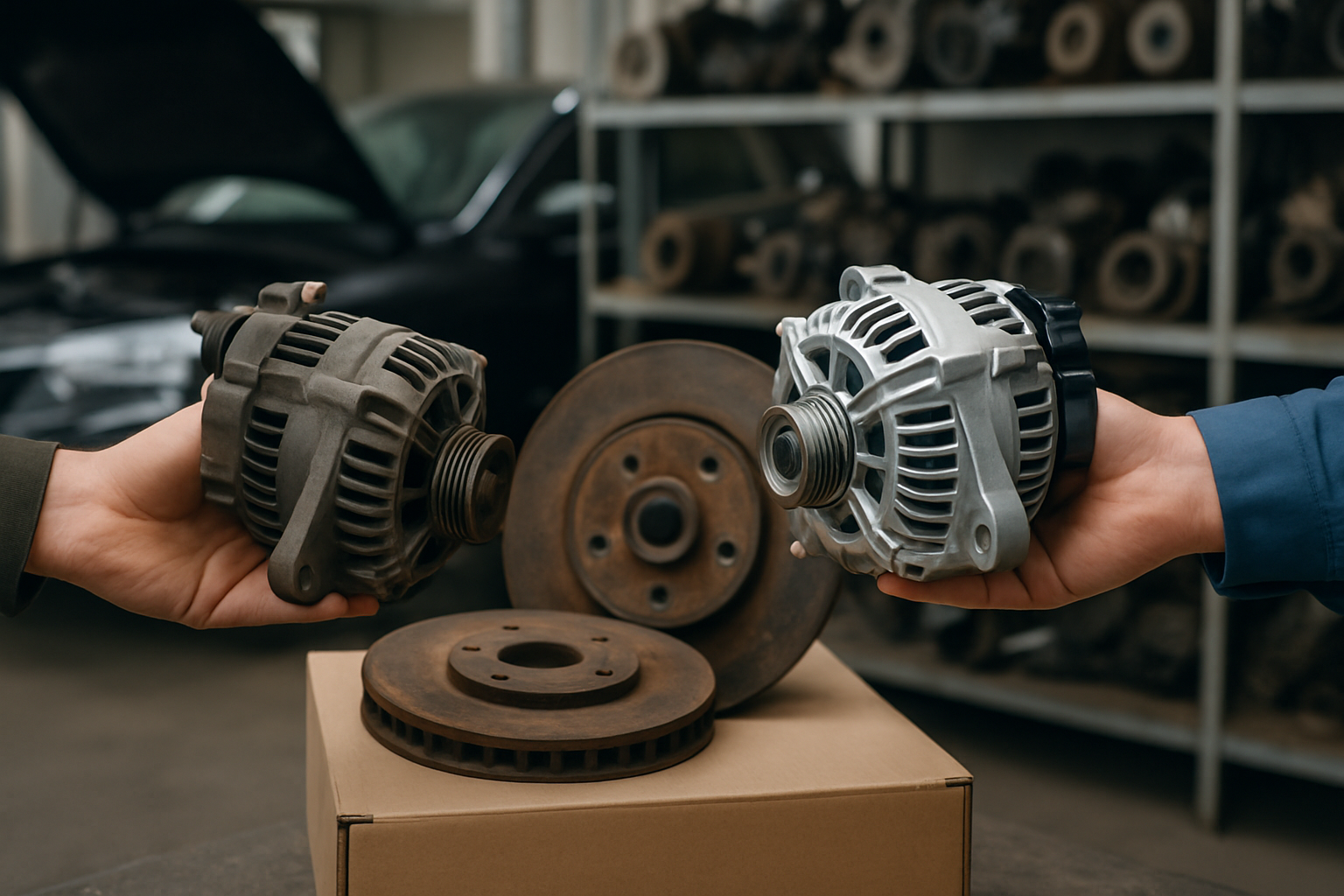
Understanding the Core Exchange Process
The core exchange process facilitates a cycle of reuse in the automotive industry. When you purchase a remanufactured part from auto salvage yards, you have the opportunity to return your old, worn-out part. This “core” is then refurbished for reuse. The system helps keep a healthy supply of parts in circulation, thus reducing the need for new production and cutting costs for consumers. Renowned auto dismantlers work hand in hand with salvage yards to ensure the reused parts meet high-quality standards.
Typically, when you purchase a remanufactured part, you pay a core charge in addition to the part’s price. This deposit is refunded when you return the core part in acceptable condition. Knowing this, it’s crucial for consumers to check the specific policies of local auto salvage yards or auto recyclers, as refund conditions can vary.
Benefits of Core Exchanges
Engaging in core exchanges brings multiple benefits: financial savings, environmental conservation, and better resource efficiency.
- Financial Savings: One of the most immediate benefits is the money saved. With the return of a core, you receive a refund on your initial deposit. This system ensures access to affordable auto parts, deterring the need to purchase entirely new components, which are often significantly more expensive.
- Environmental Conservation: By reusing auto parts, you’re directly contributing to reduced waste. This cycle supports the notion of a circular economy, where resources are reused and recycled rather than discarded. Every reused part means fewer natural resources are consumed.
- Resource Efficiency: The constant availability of parts at salvage yards ensures that there’s always a suitable component on hand. This accessibility minimizes downtime in vehicle repairs, a critical factor for both individual users and commercial entities reliant on vehicle fleets.
Steps to Successfully Exchange a Core Part
Navigating the core exchange process can seem daunting at first, but these steps can make it straightforward:
- Research Reliable Salvage Yards: Before purchasing, research auto salvage yards in your area. Look for those with positive reviews and a wide inventory, ensuring they offer quality remanufactured parts.
- Inspect Your Core: Before returning your core part, examine it for damages. Most auto salvage places accept cores as long as they are not severely damaged or beyond repair.
- Understand Return Policies: Policies vary considerably. Some yards may require the core return within a specific time frame to get a full refund, while others might have stricter acceptance criteria.
Examples of Commonly Exchanged Parts
Some parts are more frequently involved in core exchanges due to their high wear and tear:
- Engines and Transmissions: These are two of the most exchanged components, given their critical role and the wear they endure over time.
- Alternators and Starters: Smaller yet essential components such as these are popular in core exchanges due to frequent usage leading to wear-out.
- Power Steering Pumps: The steering system often requires replacement of parts that can easily be remanufactured.
By examining these components, you can readily see why keeping a used auto parts inventory benefits consumers by maintaining lower costs and higher availability.
Finding the Right Auto Parts Salvage Yards
Finding a reputable auto parts salvage yard is integral to benefiting fully from the core exchange process. First, start with a search for auto salvage yards near your location. Ask for recommendations from mechanics and fellow car enthusiasts. It’s often these insider tips that lead to discovering the best used auto parts dealers. Many people have found success by exploring online forums and review sites, which can offer real-life experiences and ratings from previous customers.
When contacting a salvage yard, inquire about their inventory and core return policies. Some might have specific conditions for the condition of core parts, while others might not issue a refund for heavily damaged cores.
Conclusion
Core exchanges represent a win-win situation: saving money while contributing positively to environmental sustainability. By selecting the best auto salvage places, understanding the core exchange process, and adhering to policies, you can ensure a continuous flow of quality parts for your vehicle. Empowering yourself with this knowledge helps in making more savvy automotive decisions, both economically and environmentally.
Glossary
- Core Exchange: A process where a used auto part is returned and a charge is refunded to promote reuse.
- Auto Dismantlers: Companies or individuals who disassemble vehicles to salvage usable parts.
- Remanufactured Parts: Used auto parts restored to original condition for resale.
Disclaimer: The information provided in this article is for educational and informational purposes only. It does not constitute professional advice. Readers should conduct their own research and consult with qualified professionals before making any decisions.